
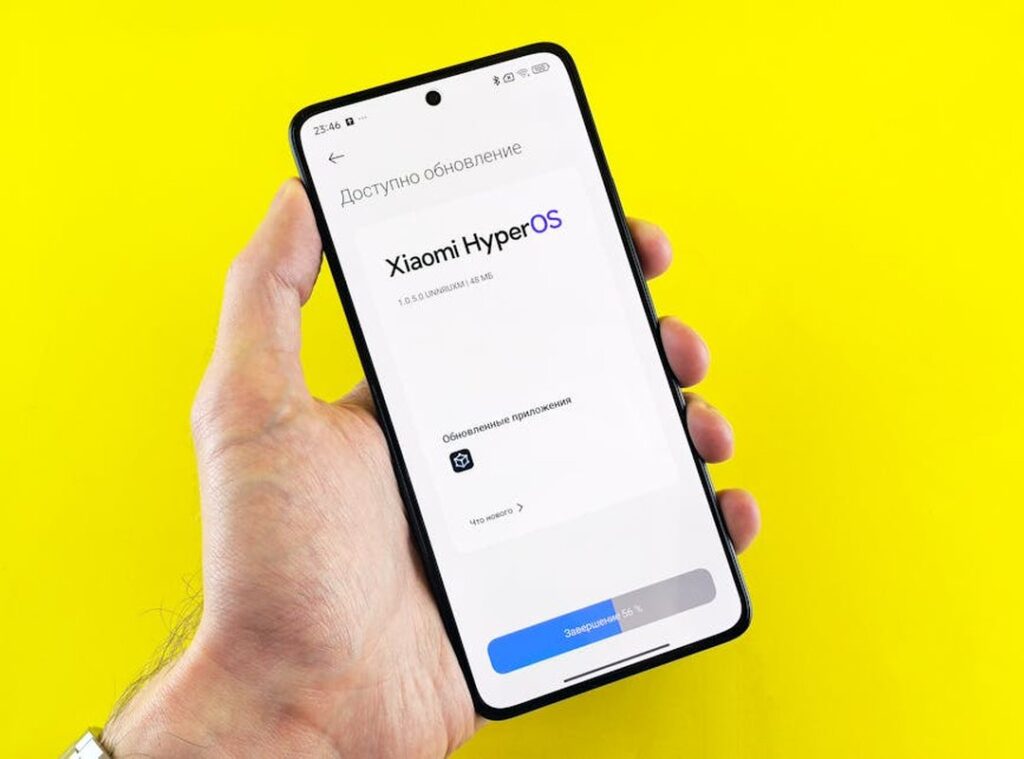
You just clicked “Install Update”. And then saw the headline: “Colleague’s laptop locked by ransomware yesterday. Patch was released three weeks ago.”
Yeah. That gut drop? I’ve felt it too.
I’ve spent years fixing broken systems. Not in labs, but in real places. A coffee shop owner whose POS froze mid-transaction.
A developer whose local environment stopped talking to staging. A parent whose kid’s tablet got hijacked by adware because the OS hadn’t updated in eight months.
Outdated software isn’t lazy. It’s dangerous.
It’s not about convenience. It’s about your files. Your passwords.
Your time.
I’ve seen the same pattern across hundreds of cases: one skipped update leads to a breach, a crash, or a full day lost trying to recover.
This isn’t theoretical. These are things you’ve already lived through.
So why do we keep ignoring updates?
Because nobody explains what actually happens when you don’t.
That’s what this is for.
No jargon. No hype. Just real consequences.
The kind you recognize from your own screen.
You’ll walk away knowing exactly why Why Updates Are Important Jotechgeeks isn’t a slogan. It’s a warning. And a fix.
Security: One Missed Update = Your Whole Network on Fire
I patched Log4j the day it dropped.
You probably didn’t.
That vulnerability let attackers run code just by typing text into a web form. It was everywhere. In Minecraft servers, cloud dashboards, even hospital systems.
CISA says 60% of cyberattacks target known, unpatched flaws. Not exotic zero-days. Just stuff we already knew about.
So why do people wait? Because they think “I don’t store sensitive data.”
Wrong. Your laptop isn’t the target.
It’s the stepping stone. Malware uses it to jump to payroll servers. To steal admin passwords.
To move sideways until it hits something valuable.
Three layers break down fast:
First, malware lands (often) through a browser or email. Then credentials get grabbed. Not yours, but your boss’s, or the domain admin’s.
Finally, lateral movement kicks in. And now the whole network is compromised.
I’ve watched small teams lose everything because one dev skipped a Windows update for “two more days.”
Two days was all it took for PrintNightmare to slip in and lock their file server.
Jotechgeeks covers this stuff without fluff.
They explain why updates matter (not) as a chore, but as armor.
Why Updates Are Important Jotechgeeks isn’t just a phrase.
It’s what happens when you ignore the pop-up one too many times.
Patch early. Patch often. Assume your device is already part of someone else’s attack plan.
Compatibility Collapse: When Apps Stop Talking to Each Other
I updated my laptop last Tuesday.
By Thursday, our internal payroll tool wouldn’t log me in.
That’s not coincidence. That’s dependency drift.
Here’s how it happens: your OS updates → your browser auto-updates → and suddenly it drops support for TLS 1.0. Which means that legacy HR portal your company built in 2018? It just stops working.
No warning. No error code you can Google. Just a blank screen.
Same thing with iOS 17. It killed Bluetooth LE compatibility for half a dozen warehouse scanners we still use. The devices powered on fine.
They just couldn’t talk to anything.
Developers build on what’s current. They test against Chrome 124 (not) Chrome 112. They assume you’re not running Windows 10 version 1904 still.
(You are. I know.)
So before you hit “Remind me later” on that update prompt (ask) yourself:
Does your team use ServiceNow? RingCentral? A custom kiosk app?
Do you rely on USB-to-serial adapters or older medical hardware?
If yes. Check the vendor’s supported OS/browser matrix. Now.
Not after the outage.
Because waiting until things break is how you end up debugging TLS handshakes at 3 a.m. That’s why updates are important Jotechgeeks. Not for the flashy new icons.
For the quiet, invisible glue holding everything together.
Performance & Efficiency: Hidden Gains You’re Leaving
I updated my phone last week. Battery lasted 18 hours instead of 12. Not magic.
Just smarter background throttling.
Firefox 120+ loads complex dashboards 35% faster than v110 on the same hardware. (Source: Mozilla’s internal benchmarks (you) can verify them in their release notes.)
Older apps hold onto memory like a toddler with a cookie. Newer ones release it fast. That adds up.
Especially if you leave tabs open for three days.
You think stability means “unchanged.” It doesn’t. Stability now means fixed every Tuesday. A patched kernel handles disk caching better than a rock-solid but outdated one.
That old version of Chrome? It uses 1.2GB RAM just idling. The current one uses 780MB.
Same machine. Same habits. Just newer code paths.
Why Updates Are Important Jotechgeeks isn’t about chasing shiny things. It’s about not paying for inefficiency in battery, heat, or time.
Background optimizations compound. Smarter CPU throttling today means your laptop fan stays off during video calls tomorrow.
What Is Technology Update Jotechgeeks explains how those quiet changes actually reshape what your device can do. Without you lifting a finger.
I’ve rolled back updates twice. Both times, something broke. Not catastrophically.
Just… slower. Warmer. Frustrating.
Stability isn’t frozen. It’s maintained.
Update. Then forget it. That’s the point.
Why We Wait: The Real Reason Your Laptop Hates You
I delay updates too. Not because I’m lazy. Because I’ve watched a “quick” update turn into a two-hour reboot spiral.
Fear of disruption? Yes. Distrust of automated changes?
Absolutely. And that “if it ain’t broke…” mindset? It’s not stubbornness.
It’s self-preservation (you’re just trying to get work done).
Here’s what I do instead:
I turn on automatic security-only updates first. Nothing fancy. Just the patches that stop hackers.
Then I schedule reboots for 3:47 a.m. (Yes, I picked that time. No one’s using the machine.
Not even me.)
For bigger teams? Test updates in a sandboxed environment. Don’t roll them out cold.
I also follow the 15-Minute Rule: every Friday, I spend exactly 15 minutes reading update summaries (not) changelogs (from) trusted sources like Why Updates Are Important Jotechgeeks.
A local bakery owner skipped patches for months. Then ransomware hit. $8k in downtime. She started bi-weekly patch windows after that.
No more panic. No more lost sales.
You don’t need perfect timing.
You need consistency.
Start small. Pick one thing this week. Do it.
Then tell me how it went.
Beyond Devices: Your Network Is Only as Strong as Its Weakest
I used to think updating my laptop and phone was enough. Then my smart speaker got hijacked. (Turns out the firmware hadn’t been touched since 2021.)
Routers are the front door to your whole network. Most don’t auto-update. You have to check them.
Manually. And yes (your) printer, webcam, and thermostat all run code too.
When was my Wi-Fi router last updated? Does my smart thermostat still receive security patches? Is my backup drive’s firmware current?
Those aren’t trivia questions. They’re triage. A single outdated device can let attackers pivot across your entire space.
Cascading failures don’t start with malware.
They start with silence. No patch notices, no update prompts, no one checking.
That’s why space coherence matters more than any single device being “up to date.”
Why Updates Are Important Jotechgeeks isn’t about ticking boxes.
It’s about refusing to treat your router like furniture.
What Tech Came Out in 2022 Jotechgeeks? Some of it shipped with known flaws (and) zero plan to fix them.
Delay Is Not Neutral
I’ve said it before. I’ll say it again. Delay isn’t passive.
It’s dangerous.
Every day you skip an update, your device gets weaker. Your data gets looser. Your tools get slower.
Why Updates Are Important Jotechgeeks isn’t theory. It’s what happens when you ignore four hard truths:
Security cracks widen. Apps stop talking to each other.
Speed drops. Measurably. The whole system frays.
You feel this. You just don’t always name it.
So do this right now:
Pick one thing you use daily. Your phone, laptop, or router. Open its settings.
Check for updates. Turn on auto-updates (or) schedule one within 24 hours.
No grand overhaul. Just one thing. Done.
Your future self won’t thank you for skipping updates (they’ll) thank you for making them effortless.
 Evan Taylorainser writes the kind of device integration strategies content that people actually send to each other. Not because it's flashy or controversial, but because it's the sort of thing where you read it and immediately think of three people who need to see it. Evan has a talent for identifying the questions that a lot of people have but haven't quite figured out how to articulate yet — and then answering them properly.
They covers a lot of ground: Device Integration Strategies, Tech Pulse Updates, HSS Peripheral Compatibility Insights, and plenty of adjacent territory that doesn't always get treated with the same seriousness. The consistency across all of it is a certain kind of respect for the reader. Evan doesn't assume people are stupid, and they doesn't assume they know everything either. They writes for someone who is genuinely trying to figure something out — because that's usually who's actually reading. That assumption shapes everything from how they structures an explanation to how much background they includes before getting to the point.
Beyond the practical stuff, there's something in Evan's writing that reflects a real investment in the subject — not performed enthusiasm, but the kind of sustained interest that produces insight over time. They has been paying attention to device integration strategies long enough that they notices things a more casual observer would miss. That depth shows up in the work in ways that are hard to fake.
Evan Taylorainser writes the kind of device integration strategies content that people actually send to each other. Not because it's flashy or controversial, but because it's the sort of thing where you read it and immediately think of three people who need to see it. Evan has a talent for identifying the questions that a lot of people have but haven't quite figured out how to articulate yet — and then answering them properly.
They covers a lot of ground: Device Integration Strategies, Tech Pulse Updates, HSS Peripheral Compatibility Insights, and plenty of adjacent territory that doesn't always get treated with the same seriousness. The consistency across all of it is a certain kind of respect for the reader. Evan doesn't assume people are stupid, and they doesn't assume they know everything either. They writes for someone who is genuinely trying to figure something out — because that's usually who's actually reading. That assumption shapes everything from how they structures an explanation to how much background they includes before getting to the point.
Beyond the practical stuff, there's something in Evan's writing that reflects a real investment in the subject — not performed enthusiasm, but the kind of sustained interest that produces insight over time. They has been paying attention to device integration strategies long enough that they notices things a more casual observer would miss. That depth shows up in the work in ways that are hard to fake.