
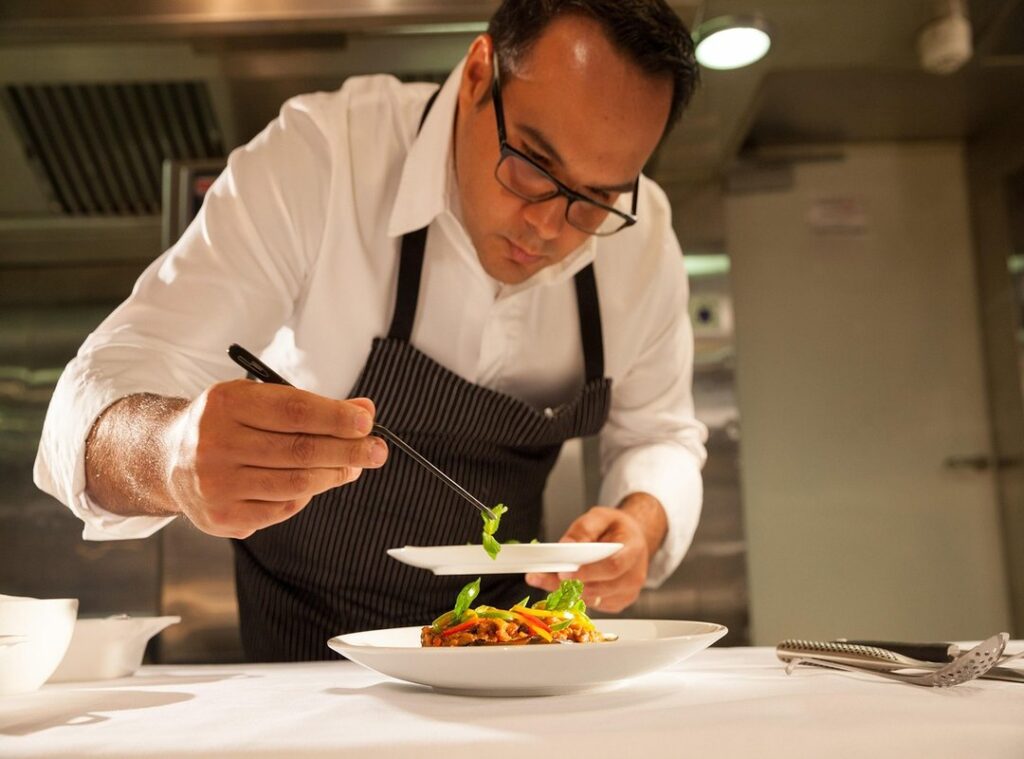
You might be wondering, where are the michelin star restaurants cusco? Well, Cusco is a world-class culinary destination, but there are currently no restaurants with official Michelin stars in the city.
The reason is simple: the Michelin Guide doesn’t rate restaurants anywhere in Peru. Yet.
But don’t let that stop you. This guide will show you the restaurants in Cusco that are of Michelin quality and celebrated by other prestigious awards like ‘The World’s 50 Best Restaurants’.
Cusco’s culinary scene is a blend of ancient Andean ingredients and modern, innovative techniques. It’s a unique and exciting mix.
By the end of this guide, you’ll have a curated list of the most exceptional dining experiences Cusco has to offer. The kind that would undoubtedly be contenders for those elusive stars.
Cusco’s Culinary Champions: The Restaurants Redefining Peruvian Cuisine
When it comes to top-tier dining in Cusco, MIL Centro by Virgilio Martínez stands out. It’s not just the food; it’s the whole experience. Nestled in the Sacred Valley, MIL offers a unique “mater initiative” concept that focuses on high-altitude ecosystem dining.
The tasting menu at MIL is a journey through the Andes. They use hyper-local and ancient ingredients like diverse potato varieties and high-altitude herbs. Every dish connects you to the surrounding landscape, making the meal feel like an adventure.
Next up is Chicha por Gastón Acurio. Gastón Acurio is a global ambassador for Peruvian food, and this restaurant is his love letter to Cusqueñan cuisine. Chicha takes traditional dishes and gives them a refined twist, making them both familiar and exciting.
One of their signature dishes is a sophisticated take on ‘cuy’ (guinea pig). It’s a bold choice, but it works. Their creative corn-based dishes are also a must-try, blending tradition with elegance.
Both MIL and Chicha have received international accolades, cementing their status as michelin star restaurants cusco. Even without the official stars, they’re recognized for their exceptional culinary experiences.
- MIL Centro – Unique location and high-altitude dining.
- Chicha por Gastón Acurio – Refined regional Cusqueñan cuisine.
These restaurants offer something special. They don’t just serve food; they tell a story. And that’s what makes them stand out in the competitive world of fine dining.
Beyond the Tasting Menu: Exceptional Fine Dining Alternatives
Start with an anecdote about Cicciolina. I remember walking into Cicciolina for the first time, and the bohemian-chic vibe immediately caught my attention. The historic colonial building adds a touch of elegance, but it’s the intimate setting that makes it truly special.
The food? A perfect blend of Mediterranean flavors with Andean ingredients. It’s like a culinary dance between two worlds.
Every dish is a masterpiece, making it a favorite among discerning travelers.
Now, let’s talk about MAP Café. This place is something else. Located in a stunning glass box courtyard within the Museo de Arte Precolombino, it offers a magical ambiance.
You feel like you’re dining in a work of art.
The menu at MAP Café focuses on contemporary Peruvian cuisine. Each dish is visually stunning and delicious, making it perfect for a special occasion. The chefs here are true artists, and every plate is a testament to their skill. michelin star restaurants cusco
These restaurants offer a different style of fine dining—perhaps less experimental than MIL but equally committed to quality, service, and flavor. They are part of the MICHELIN star restaurants Cusco, and they deliver an experience that’s both memorable and unique.
Whether you’re looking for a romantic dinner or a night out with friends, these places have got you covered. Trust me, you won’t be disappointed.
What to Know Before You Book Your Table

Making reservations at top-tier places like MIL is essential. Book months in advance to secure your spot.
Tasting menus can range from $150-$250 USD per person. It’s a good idea to budget accordingly, so you don’t get caught off guard by the bill.
Dining etiquette in Cusco’s fine dining scene is generally relaxed. Smart-casual attire is recommended. No need for formal wear, but leave the flip-flops at home.
Cusco’s altitude can be a challenge. Adjust to it first. I suggest booking these elaborate meals after you’ve acclimatized for a day or two.
Trust me, you’ll enjoy the experience much more.
Tasting menus are often the best way to experience the chef’s full vision and the diversity of local ingredients. They give you a comprehensive taste of what the restaurant has to offer.
Pro tip: If you’re unsure about the dress code, call ahead and ask. Better safe than sorry.
Michelin star restaurants Cusco can be a bit of a mystery. Sometimes, even the locals aren’t sure about the exact criteria. But one thing is for sure: they offer some of the best dining experiences in the city.
Your Guide to World-Class Dining in Cusco
While you won’t find an official michelin star restaurants cusco, the city is home to a caliber of restaurants that compete on a global stage.
Chicha and MAP Café stand out as must-visit destinations.
Don’t miss out on Pachapapa, which offers a unique dining experience.
The true reward is experiencing the incredible biodiversity of the Andes transformed by visionary chefs.
Book a table at one of these exceptional restaurants to make your trip to Cusco truly unforgettable.
 Lillie W. writes the kind of device integration strategies content that people actually send to each other. Not because it's flashy or controversial, but because it's the sort of thing where you read it and immediately think of three people who need to see it. Lillie has a talent for identifying the questions that a lot of people have but haven't quite figured out how to articulate yet — and then answering them properly.
They covers a lot of ground: Device Integration Strategies, Controller Setup and Maintenance Hacks, Tech Pulse Updates, and plenty of adjacent territory that doesn't always get treated with the same seriousness. The consistency across all of it is a certain kind of respect for the reader. Lillie doesn't assume people are stupid, and they doesn't assume they know everything either. They writes for someone who is genuinely trying to figure something out — because that's usually who's actually reading. That assumption shapes everything from how they structures an explanation to how much background they includes before getting to the point.
Beyond the practical stuff, there's something in Lillie's writing that reflects a real investment in the subject — not performed enthusiasm, but the kind of sustained interest that produces insight over time. They has been paying attention to device integration strategies long enough that they notices things a more casual observer would miss. That depth shows up in the work in ways that are hard to fake.
Lillie W. writes the kind of device integration strategies content that people actually send to each other. Not because it's flashy or controversial, but because it's the sort of thing where you read it and immediately think of three people who need to see it. Lillie has a talent for identifying the questions that a lot of people have but haven't quite figured out how to articulate yet — and then answering them properly.
They covers a lot of ground: Device Integration Strategies, Controller Setup and Maintenance Hacks, Tech Pulse Updates, and plenty of adjacent territory that doesn't always get treated with the same seriousness. The consistency across all of it is a certain kind of respect for the reader. Lillie doesn't assume people are stupid, and they doesn't assume they know everything either. They writes for someone who is genuinely trying to figure something out — because that's usually who's actually reading. That assumption shapes everything from how they structures an explanation to how much background they includes before getting to the point.
Beyond the practical stuff, there's something in Lillie's writing that reflects a real investment in the subject — not performed enthusiasm, but the kind of sustained interest that produces insight over time. They has been paying attention to device integration strategies long enough that they notices things a more casual observer would miss. That depth shows up in the work in ways that are hard to fake.