

Choosing the right controller technology can make or break your gaming experience—especially when it comes to hall effect vs potentiometer sticks. If you’re trying to understand which option offers better precision, durability, and long-term value, you’re in the right place.
Many gamers struggle with stick drift, inconsistent input response, and confusing technical jargon when comparing these two joystick technologies. This article breaks down the real differences in performance, lifespan, accuracy, maintenance, and overall gameplay impact so you can make a confident, informed decision.
We’ve analyzed current controller innovations, real-world performance data, and integration trends across modern gaming devices to ensure the insights here are practical and up to date. Whether you’re upgrading your controller, troubleshooting drift issues, or simply exploring the latest advancements in gamepad technology, this guide will give you a clear, side-by-side understanding of what truly separates these two stick mechanisms—and which one fits your setup best.
Stick drift is the silent killer of late-night ranked sessions and tournament qualifiers alike. One minute you’re lining up a headshot; the next, your reticle crawls like it’s haunted. The culprit usually lives inside traditional potentiometer joysticks, which rely on physical contact that wears down over time.
Now the debate over hall effect vs potentiometer sticks is heating up in competitive circles from EVO halls in Las Vegas to grassroots LAN cafés in Berlin. Hall effect sensors use magnets instead of friction, reducing wear and improving consistency.
- Potentiometers: cheaper, familiar, prone to drift
- Hall effect: durable, precise, pricier
The first time my controller started drifting, my character slowly walked off a cliff while I wasn’t even touching the stick (infuriating, right?). That’s when I learned how potentiometer joysticks actually work.
Inside, there are two carbon resistive tracks and a tiny metal piece called a wiper. As you move the stick, the wiper slides across those tracks, changing the electrical resistance. Resistance is simply how much a material slows electricity. The controller reads that change to calculate position. Think of it like a volume knob or light dimmer—physical contact creates a variable signal.
Here’s the FATAL flaw: friction. That constant rubbing wears down the carbon and the wiper over time.
- Worn tracks create inconsistent signals
- Inconsistent signals cause drift and deadzones
Some argue hall effect vs potentiometer sticks debates are overblown. I disagree. When contact degrades, accuracy drops—just like an old Walkman crackling mid-song.
The Modern Challenger: Understanding Hall Effect Sensors
First, picture a joystick with a tiny magnet fixed to its base. As you tilt the stick, that magnet moves. Instead of scraping across a resistive strip, a sensor reads the shifting magnetic field around it. Think of it like a digital compass that can track a nearby magnet without ever touching it, almost like Tony Stark analyzing energy signatures in midair.
Because nothing inside is physically rubbing together, there is no gradual erosion of the sensing parts. Traditional potentiometers rely on contact, and over time that friction causes wear and inconsistent readings. That debate around hall effect vs potentiometer sticks matters because contactless design removes the core failure point.
As a result, stick drift the villain of countless rage quit memes is dramatically reduced. In other words, fewer ghost inputs and a controller that lasts far longer for competitive players everywhere.
Head-to-Head: A Direct Comparison for Gamers
When comparing hall effect vs potentiometer sticks, the differences aren’t just technical—they directly impact how your controller performs over time.
Durability & Stick Drift
Let’s start with the issue every gamer dreads: stick drift (when your character moves even though you’re not touching the stick). Potentiometers rely on physical contact between a wiper and a resistive track. That contact gradually wears down, typically after a few million cycles. In other words, they’re consumable parts.
Some argue that “a few million cycles” is more than enough for casual players—and that’s fair. If you only game on weekends, you might never notice serious degradation. However, competitive players or heavy users can burn through that lifespan surprisingly fast (think late-night ranked sessions).
Hall effect sensors, by contrast, detect movement using magnetic fields—no physical contact involved. With lifespans reaching tens of millions of cycles, they’re effectively immune to traditional stick drift because there’s no friction to cause wear.
What’s next to consider? If durability matters to you, it’s worth thinking about how firmware calibration interacts with these sensors. A deeper look at understanding firmware architecture in gaming peripherals can help you see how software fine-tuning supports long-term accuracy.
Accuracy & Precision
When new, potentiometers offer solid precision. But as the resistive tracks degrade, players may notice “jitter” (tiny erratic movements) or inconsistent deadzones (the neutral area before movement registers). That’s why an FPS crosshair might feel slightly “off” after months of use.
Hall effect sensors maintain consistent, pixel-perfect precision throughout their lifespan because magnetic fields don’t degrade with friction. For competitive gaming—where micro-adjustments win matches—that consistency matters.
Feel & Resistance
Interestingly, the stick’s tension comes from the gimbal’s spring, not the sensor. Still, potentiometers add slight friction due to contact. Hall effect designs often feel smoother, though some players prefer the subtle resistance of traditional sticks (muscle memory is powerful).
Cost & Availability
Potentiometers remain cheap and widely used in mainstream controllers like Xbox and PlayStation models. Hall effect sensors cost more and are typically found in premium or enthusiast-grade devices—though adoption is increasing.
So what should you choose? If budget and familiarity matter most, potentiometers still deliver. But if longevity and consistent performance top your list, Hall effect technology is increasingly hard to ignore.
Which Joystick Technology is Right for Your Games?
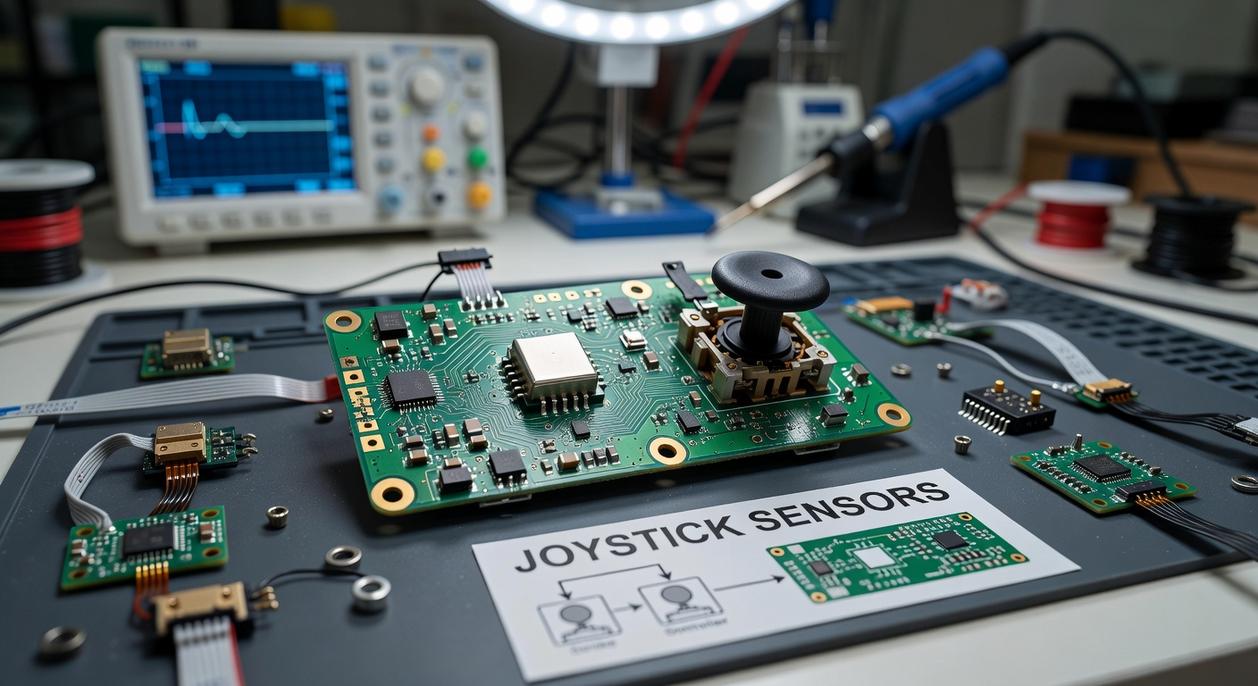
When choosing between hall effect vs potentiometer sticks, think about how you want your game to feel in your hands.
For Competitive FPS Players: Every tiny thumb movement matters. With Hall effect sensors, your aim glides smoothly, without the faint scratchiness or sudden tug that drift can cause. The click of the trigger feels sharper when you trust your crosshair won’t wander (and in ranked matches, trust is everything).
For Casual & Single-Player Gamers: A potentiometer-based controller is usually enough. Exploring open worlds or cozy farming sims doesn’t demand pixel-perfect precision, and you likely won’t notice minor wear over time.
For Racing & Flight Sim Enthusiasts: Steering through a tight corner or banking into clouds feels fluid and consistent with non-degrading sensors. The throttle responds like a dimmer switch, not a light toggle.
For Gamers on a Budget: Potentiometers keep costs down. If you need a quick replacement, they’re practical and widely available—check options like this controller guide.
Stick drift is not a mystery glitch; it’s the slow, physical wear of components inside your controller. Potentiometers grind down over time, like a cassette tape played one too times. That’s why hall effect vs potentiometer sticks matters. Hall effect sensors use a contactless magnetic system, which means friction and life. Some argue potentiometers are fine for casual players—and they are. But if you care about matches or pulling off moves like you’re in The Matrix, durability matters. It comes down to value:
- Adequate now, replace later
- Higher upfront, fewer headaches
Weigh upfront cost against precision and fewer replacements.
Level Up Your Controller Performance Today
You came here to understand the real differences in hall effect vs potentiometer sticks—and now you know what separates long-term precision from gradual drift and wear. If you’ve been frustrated by inconsistent inputs, stick drift, or replacing controllers too often, the root of the problem is no longer a mystery.
The right stick technology directly impacts your accuracy, durability, and overall gameplay experience. Choosing wisely means fewer hardware headaches and more reliable performance when it matters most.
Now it’s time to act. Evaluate your current setup, check your controller’s stick type, and consider upgrading to hall effect technology if long-term precision and durability are priorities. Thousands of competitive and casual players are already making the switch to drift-resistant solutions for smoother, more consistent control.
Don’t let outdated hardware hold you back. Upgrade your setup, optimize your controller, and experience the performance difference for yourself.
 Lillie W. writes the kind of device integration strategies content that people actually send to each other. Not because it's flashy or controversial, but because it's the sort of thing where you read it and immediately think of three people who need to see it. Lillie has a talent for identifying the questions that a lot of people have but haven't quite figured out how to articulate yet — and then answering them properly.
They covers a lot of ground: Device Integration Strategies, Controller Setup and Maintenance Hacks, Tech Pulse Updates, and plenty of adjacent territory that doesn't always get treated with the same seriousness. The consistency across all of it is a certain kind of respect for the reader. Lillie doesn't assume people are stupid, and they doesn't assume they know everything either. They writes for someone who is genuinely trying to figure something out — because that's usually who's actually reading. That assumption shapes everything from how they structures an explanation to how much background they includes before getting to the point.
Beyond the practical stuff, there's something in Lillie's writing that reflects a real investment in the subject — not performed enthusiasm, but the kind of sustained interest that produces insight over time. They has been paying attention to device integration strategies long enough that they notices things a more casual observer would miss. That depth shows up in the work in ways that are hard to fake.
Lillie W. writes the kind of device integration strategies content that people actually send to each other. Not because it's flashy or controversial, but because it's the sort of thing where you read it and immediately think of three people who need to see it. Lillie has a talent for identifying the questions that a lot of people have but haven't quite figured out how to articulate yet — and then answering them properly.
They covers a lot of ground: Device Integration Strategies, Controller Setup and Maintenance Hacks, Tech Pulse Updates, and plenty of adjacent territory that doesn't always get treated with the same seriousness. The consistency across all of it is a certain kind of respect for the reader. Lillie doesn't assume people are stupid, and they doesn't assume they know everything either. They writes for someone who is genuinely trying to figure something out — because that's usually who's actually reading. That assumption shapes everything from how they structures an explanation to how much background they includes before getting to the point.
Beyond the practical stuff, there's something in Lillie's writing that reflects a real investment in the subject — not performed enthusiasm, but the kind of sustained interest that produces insight over time. They has been paying attention to device integration strategies long enough that they notices things a more casual observer would miss. That depth shows up in the work in ways that are hard to fake.